Guide | August 4, 2026
Mole Removal in Munich-Aschheim – Medical, Safe, with Histology
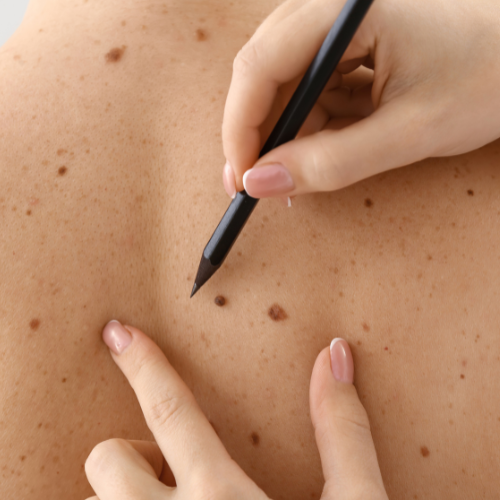
At ROC Derma in Aschheim near Munich, we evaluate skin changes from medical and aesthetic perspectives, while also taking your safety needs into account.
A birthmark is rarely just a cosmetic concern. It often rubs against a shirt collar, changes over the years of sun exposure, is located in an inconvenient spot on the face, or suddenly looks different than it used to. It is precisely at this moment that a calm, expert assessment is crucial: What indicates a harmless change—and what calls for dermatosurgical removal followed by a microscopic examination of the tissue, known as histology?
The ROC Regenerative Center combines dermatological care with preventive medicine. For patients from Aschheim, Munich, Erding, Kirchheim, Feldkirchen, Ismaning, and eastern Munich, this means easy access to diagnostics, consultation, and treatment. At our center, you won’t receive a quick cosmetic appointment, but rather a medical evaluation with a clear treatment plan.
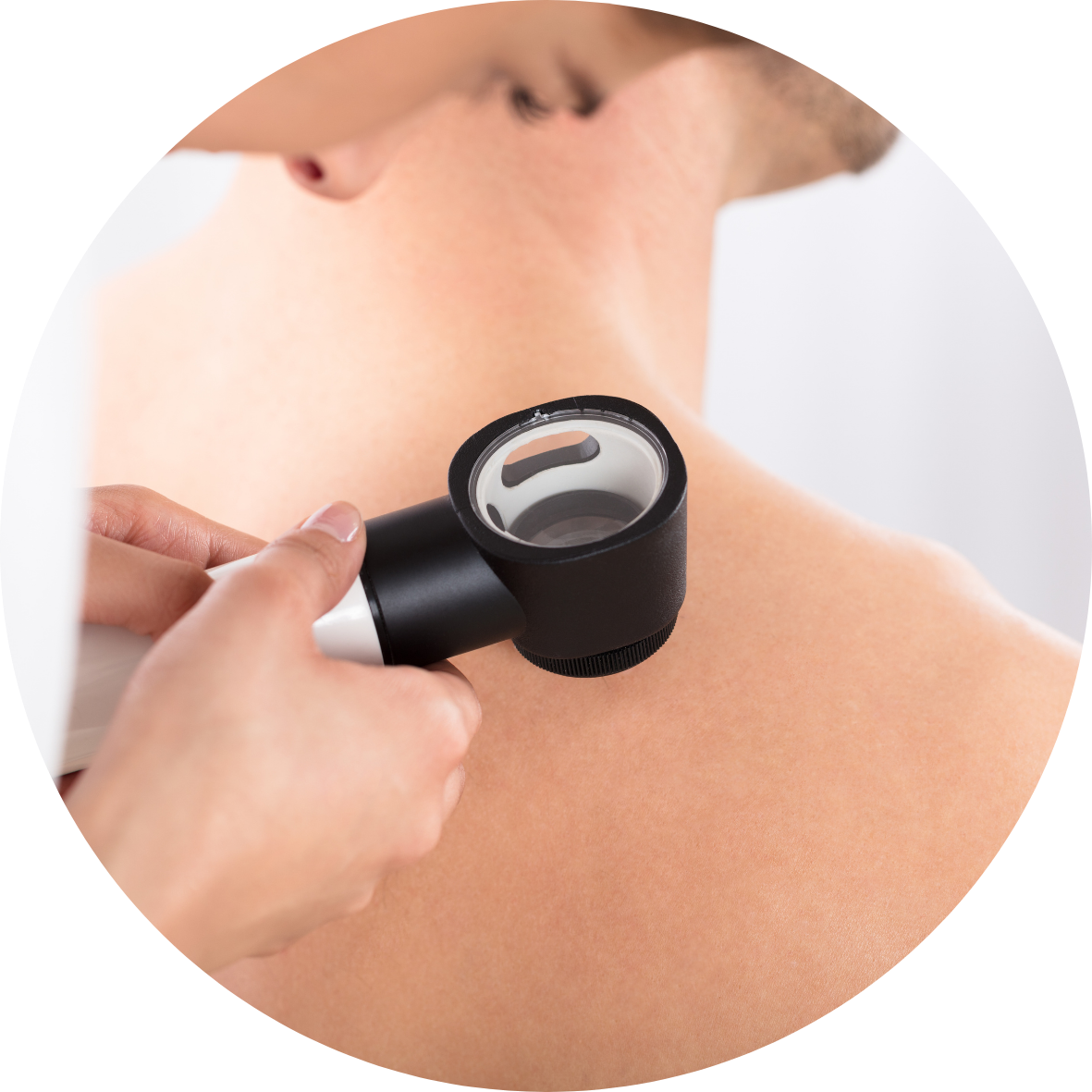
Medical Assessment
Thorough Diagnosis Before Removal

Histology
Histological Examination in Cases of Unclear Findings
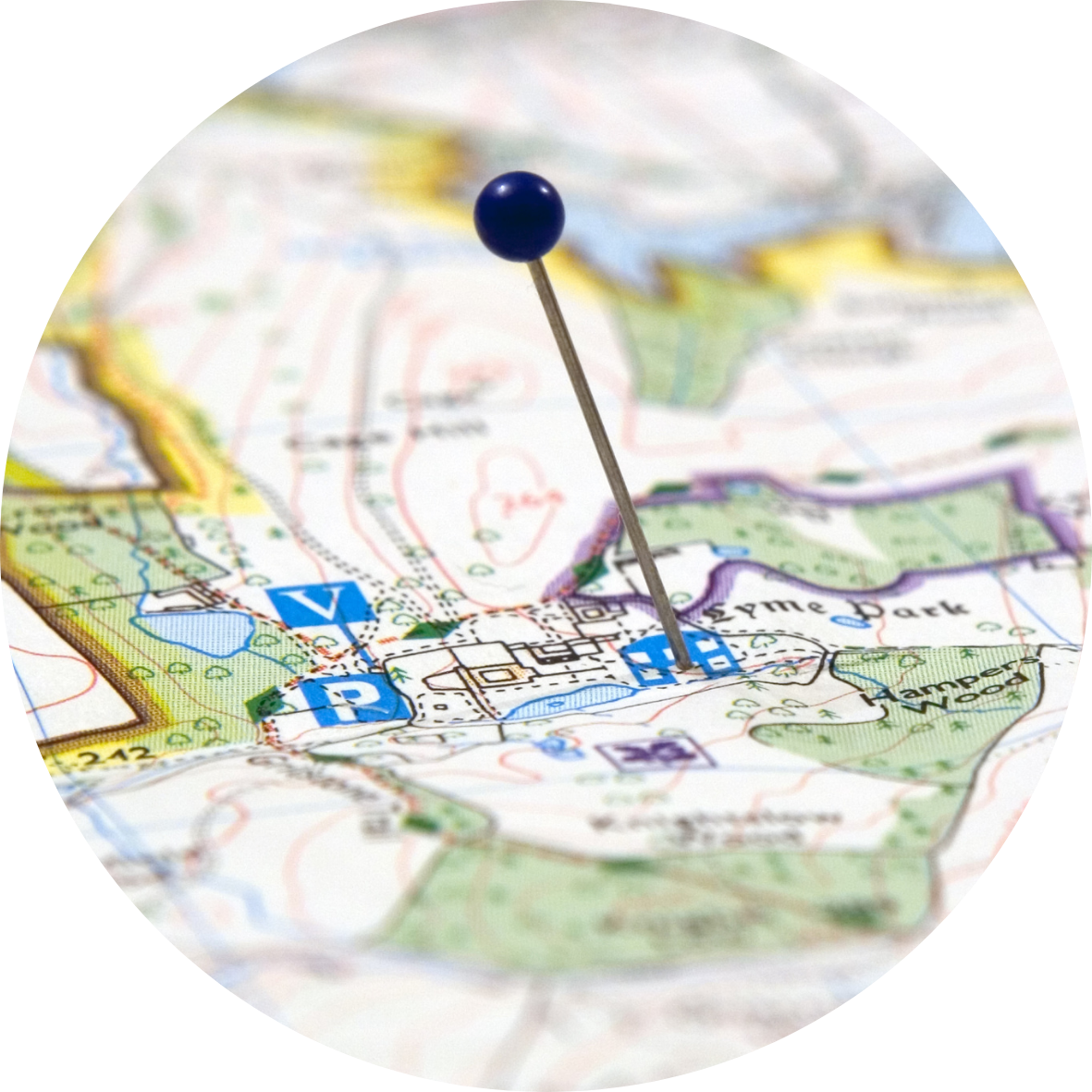
Good accessibility
Convenient access for everyone from eastern Munich, Erding, and the surrounding area
Why Every Mole Is First Evaluated by a Doctor
Before any removal, a diagnosis must be made. A raised mole on the back, a dark spot on the temple, or a rough patch on the forehead each call for different decisions. Some skin changes look harmless but should still be checked. Others appear threatening at first glance but are completely benign.
We consider color, shape, borders, size, growth, and your personal medical history. Sunburns, a family history of skin cancer, numerous moles, or immunosuppression can affect your risk. Whether cosmetic removal is sufficient, whether excision with a safety margin is advisable, or whether monitoring the lesion’s progression is the best initial approach—we’ll discuss these options with you openly and transparently.
In dermatological surgery, these questions help structure the diagnosis:
- Has the mole changed in the last few weeks or months?
- Does the area bleed, itch, or ooze—or does a scab keep forming there?
- Does the birthmark get in the way when you shave, get dressed, or exercise?
- Is the change on your face, décolletage, or in an area that is constantly exposed to friction?
- Has there been a history of noticeable moles or skin cancer in your family?
If you answer "yes" to several of these questions, you should schedule a medical evaluation in Aschheim, near Munich, as soon as possible.
Methods for Removing Moles in Aschheim, Near Munich
The method depends on the findings, location, size, depth, and medical considerations. A flat pigmented spot on the face requires a different treatment plan than a raised nevus on the back. At ROC Derma, during your initial consultation, we’ll explain why we recommend a particular approach and what the scar is likely to look like.
Surgical removal followed by histological examination
In the case of pigmented, growing, or suspicious moles, surgical removal offers a clear advantage: the excised tissue is sent for histological examination. There, specialists examine the tissue under a microscope to determine whether the cells appear benign or whether there are signs of a precancerous or malignant change.
The procedure is performed under local anesthesia. After disinfecting the area and applying a sterile drape, we remove the skin lesion using a spindle-shaped incision or an incision pattern tailored to the specific findings. We plan the suture line along natural skin tension lines, as far as the location and safety of the procedure allow. Especially with procedures on the face, many patients ask about the scar first. That’s understandable. In addition to the scar, a reliable diagnosis is our top priority—beautiful skin without a reliable diagnosis does not count as a good outcome for us.
Most patients feel only the brief prick of the anesthetic injection; the actual removal is then relatively painless. A slight feeling of tightness after the anesthesia wears off is normal and usually subsides after a few days.
Laser Treatment for Selected Benign Skin Lesions
Laser treatments are primarily considered for clearly benign, superficial, and cosmetically bothersome skin lesions. At ROC Derma, the Dermablate® laser is available for the precise ablation of benign lesions such as actinic keratoses, xanthelasmas, or seborrheic keratoses. For pigmented or suspicious moles, we generally prefer removal with a tissue biopsy, as histology provides certainty. We will work with you to determine which option is medically appropriate and safe.
For pigment spots, age spots, or certain superficial changes, complementary procedures may be considered. You can find information about related treatments on our page “Removing Age Spots and Pigment Spots.”
Our Dermatologists

Dr. dr. med. Orsolya Horváth
Specialist in dermatology
Career
Natalie Evenschor, M.D.
Specialist in dermatology
Career
Benign, Suspicious, or Malignant: Classifying Skin Lesions
Not every dark spot is a birthmark. Common findings include benign birthmarks (nevi), age spots (seborrheic keratoses), small connective tissue nodules (fibromas, dermatofibromas), as well as various forms of non-melanoma skin cancer (basal cell carcinoma, squamous cell carcinoma) and melanoma (melanoma). To the untrained eye, some of these changes look very similar. A medical examination helps distinguish cosmetic concerns from medical risks.
Actinic keratoses are UV-induced precursors to certain types of non-melanoma skin cancer. Rough, reddish, or scaly patches on the forehead, nose, scalp, ears, or the backs of the hands warrant attention. If you’re looking for information on this type of UV damage in addition to mole removal in Aschheim near Munich, read our guide to actinic keratosis.
For skin lesions suspected of being melanoma, guidelines from the Association of Scientific Medical Societies recommend complete removal followed by histopathological confirmation of the diagnosis. A malignant lesion requires a different approach than a cosmetically unsightly mole: We plan the removal, safety margin, histology, and follow-up examination based on medical criteria. If the findings are unclear, we prefer to take more time for diagnostic evaluation.
Removing a Birthmark on the Face: Aesthetics Require Planning
Every millimeter counts on the face. The nose, upper lip, cheeks, eyebrows, and temples all have different skin thicknesses and levels of tension. An incision made across the line of skin tension will be more noticeable later on than a precisely placed incision that follows the natural contours. When it comes to the face, we have three goals: an accurate diagnosis, a discreet scar, and a result that complements your facial features.
No one likes to have surgery on their face—that’s completely understandable. Before-and-after photos provide a point of reference; however, even reputable dermatological surgery cannot guarantee identical results for everyone. Wound healing depends on skin type, location, size, suturing technique, tendency to scar, sun protection, and aftercare. A light, flat line after a few months is often considered a realistic goal. In cases of significant scarring, dark skin, or high tension, we adjust our treatment plan.
Fresh scars are sensitive to the sun: they may darken and become more uneven in appearance. A high SPF and protective clothing are important during the first few months.
The Process from the Initial Examination to the Follow-Up Visit
To help us provide you with the best possible advice, it would be helpful if you could note down before your appointment when you first noticed the birthmark, whether you have any old photos of it, and what medications you take regularly. Please come to your appointment without any cream or makeup on the area to be treated.

1. Medical History:
We ask about changes, symptoms, history of skin cancer, medications, allergies, and tendency to form scars.

2. Examination:
The suspicious or abnormal area is evaluated by a dermatologist. If necessary, we also examine adjacent areas of skin, including using FotoFinder technology for digital follow-up monitoring.

3. Choice of Method:
We explain excision, superficial ablation, the Dermablate® laser, and follow-up care.

4. Clarification of Costs:
You will receive clear information about the estimated costs.

5. Treatment:
The procedure is performed under local anesthesia, provided the test results and the patient's health status are appropriate.

6. Histology and Control:
If the tissue has been surgically removed or the findings are inconclusive, a histological examination will be performed; we will discuss the results with you.
For laboratory-related issues, you’ll benefit from our facility’s medical environment, as we have our own in-house laboratory. For information on laboratory diagnostics, see ROC Lab.
Costs: Private, out-of-pocket, and health insurance
Flat rates would be unreliable because the effort and costs vary greatly depending on the findings. The costs depend on medical necessity, the number of skin lesions, the method used, the size, the location, the complexity of suturing, histology, and follow-up care. A cosmetic removal without any suspicion of disease is usually considered a self-pay service. If a mole appears medically suspicious or causes symptoms, doctors will assess whether there is a medical indication.
For self-pay patients, the cost of mole removal at ROC Derma is approximately €80–150, plus €30 in lab fees. The cost for patients with private health insurance is covered by their private health insurance provider. If you have any questions about billing, please feel free to contact our team in advance.
| Situation | What We Usually Do | Who Bears the Costs |
|---|---|---|
| An inconspicuous birthmark that bothers you for cosmetic reasons | Medical examination, followed by removal depending on the findings | Usually a service paid for out of pocket (approx. 80–150 € + 30 € for lab fees) |
| A mole that has changed, is bleeding, or is irregular | Dermatological diagnosis, often involving excision with histology | Medical indication is being reviewed |
| Birthmark on the face | Planning Based on Skin Tension Lines and Aesthetic Considerations | Depending on the effort involved, the method, and follow-up care |
| Several skin lesions | Prioritization based on risk, symptoms, and preference | Customized Cost Breakdown |
Why Patients from Erding and Munich Come to Aschheim
For many people, Aschheim—located east of Munich—is more convenient than a downtown clinic. Anyone planning to have a mole removed can reach ROC Derma quickly and easily via the A 94. Easy access, convenient parking, and reliable scheduling are often just as important in everyday life as the treatment itself—even if people rarely admit it.
The ROC Regenerative Center was originally founded with a focus on orthopedics and has since evolved into an interdisciplinary center. Today, ROC Ortho, ROC Derma, and ROC Aesthetic bring together diverse perspectives on health, prevention, and aesthetics. You can learn more about the ROC team on the Team page.
If, following a skin treatment, you'd like to discuss other aesthetic topics such as skin boosters, PRP, peels, or skin quality, a follow-up appointment at ROC Aesthetic in Aschheim is a good option.
Postoperative Care Following Mole Removal
A successful hair removal treatment doesn’t end with the patch. We’ll explain when you can shower, exercise, wear makeup, or change the patch. The removal of the threads depends on the body part and how tightly they’re secured. On the face, this usually happens sooner than on the back or legs—typically after 5 to 7 days; on other parts of the body, after 10 to 14 days.
Small, superficially removed moles are often largely healed after 7 to 10 days. After surgical removal with stitches, the scar takes significantly longer to fully mature; the scar continues to change over the course of several months. UV radiation can cause fresh scars to darken—use high SPF sunscreen and cover the area as long as the skin still looks fresh.
If you experience redness, increasing pain, pus, fever, or a strong feeling of tightness, please contact us immediately. If the findings have been evaluated histologically, we will discuss the results with you. Benign findings are reassuring. Abnormal findings require clear next steps—such as a re-excision, more frequent follow-ups, or a referral to specialized facilities. You will not be left to deal with these findings on your own.
When You Should Schedule an Appointment
Don't wait for the perfect moment—if a mole appears, grows, bleeds, itches, changes color, or looks different from your other moles, see a doctor. The same goes for areas that are constantly chafed or get cut while shaving. A quick checkup will give you peace of mind.
Schedule your appointment through ROC Derma in Aschheim. Please bring any existing medical reports, lists of medications, and information about allergies. If you are taking blood-thinning medications, please discuss this with us in advance. If you would like to have multiple moles checked, we will set aside enough time for that. Even if a single mole is cosmetically bothersome, we will first assess the medical aspects.
Your next step: Schedule a medical consultation at ROC Derma in Aschheim. We’ll examine your skin lesion, explain the appropriate treatment method, and discuss costs, the procedure, and post-treatment care before the treatment.
Frequently Asked Questions About Mole Removal in Aschheim, Near Munich
How much does it cost to have a mole removed?
Is it dangerous to have a birthmark removed from the face?
Can any birthmark be removed with a laser?
Does public health insurance cover the removal of a birthmark?
How long does it take to heal?
Can I have multiple moles removed during a single appointment?
Does it hurt to have a mole removed?
How do I prepare for the appointment?
Is there always a scar left after removal?
Can I work or exercise after the procedure?