Physio


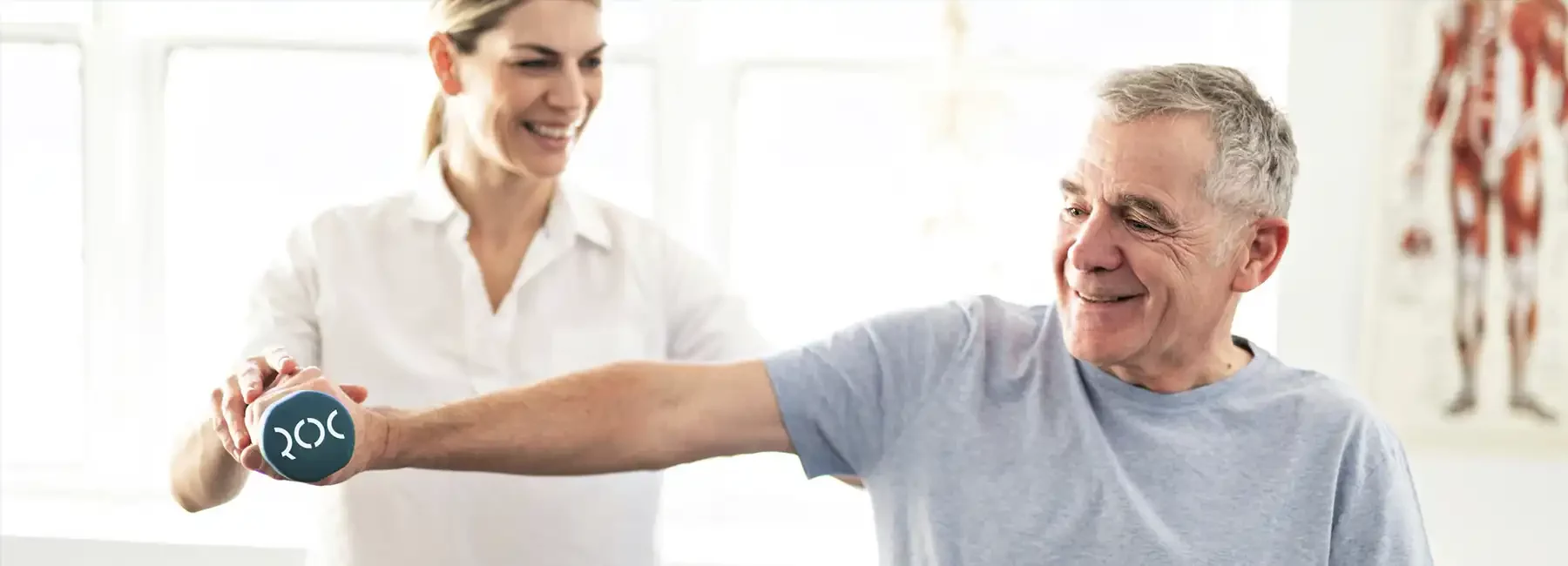
ROC Physio – Private Physical Therapy Practice in Aschheim
Modern physical therapy for greater mobility, less pain, and long-lasting stability
At ROC Physio, we focus on your mobility and physical well-being. Through targeted physical therapy treatments, we help you reduce pain, regain confidence in your movements, and build long-term stability in your body.
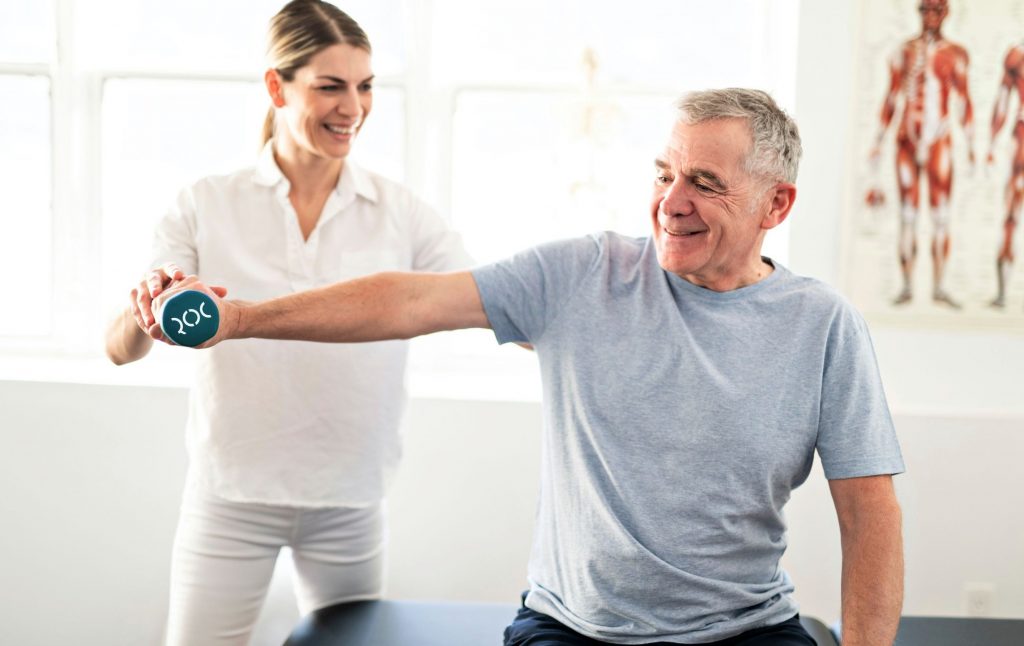
We combine proven physical therapy techniques with modern training and treatment approaches. Our goal is not just to provide short-term relief from symptoms, but to improve your physical function in the long term.
Hours and Contact Information
| Monday | 7:00 a.m. – 6:00 p.m. |
| Tuesday | 8:00 a.m. – 7:00 p.m. |
| Wednesday | 8:00 a.m. – 7:00 p.m. |
| Thursday | 7:30 a.m. – 7:00 p.m. |
| Friday | 7:00 a.m. – 3:00 p.m. |
ROC Physio
St.-Emmeram-Str. 5 (1st floor)
85609 Aschheim
Email: praxis@roc-physio.de
Phone: 089 462599340
As a private physical therapy practice, we treat patients with private insurance and those who pay out of pocket. Unfortunately, we are unable to bill for services prescribed to patients with public insurance.
Greater mobility. A better quality of life.

Personalized treatment
Each treatment plan is tailored to your specific symptoms, personal goals, physical condition, and daily routine.

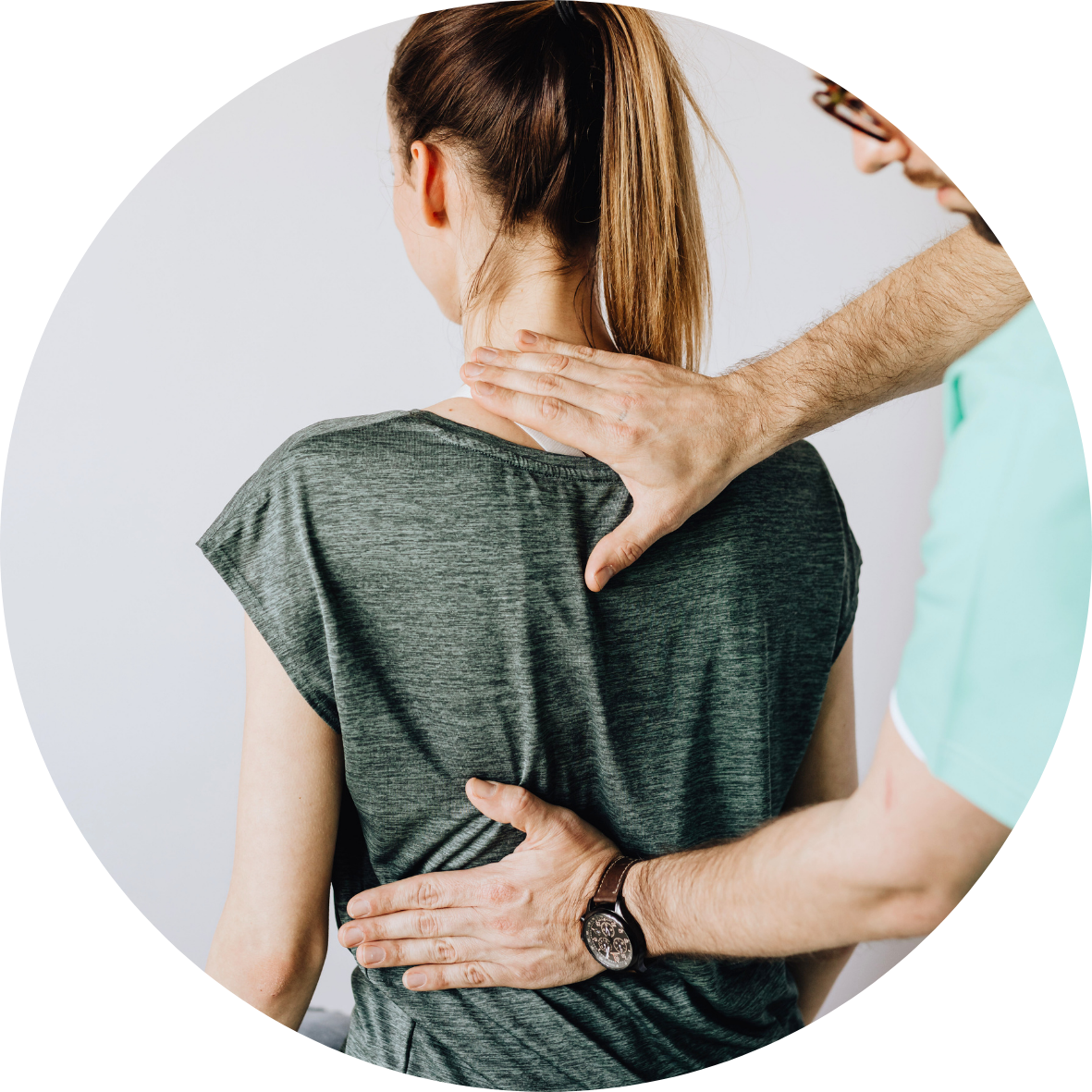
Modern facilities
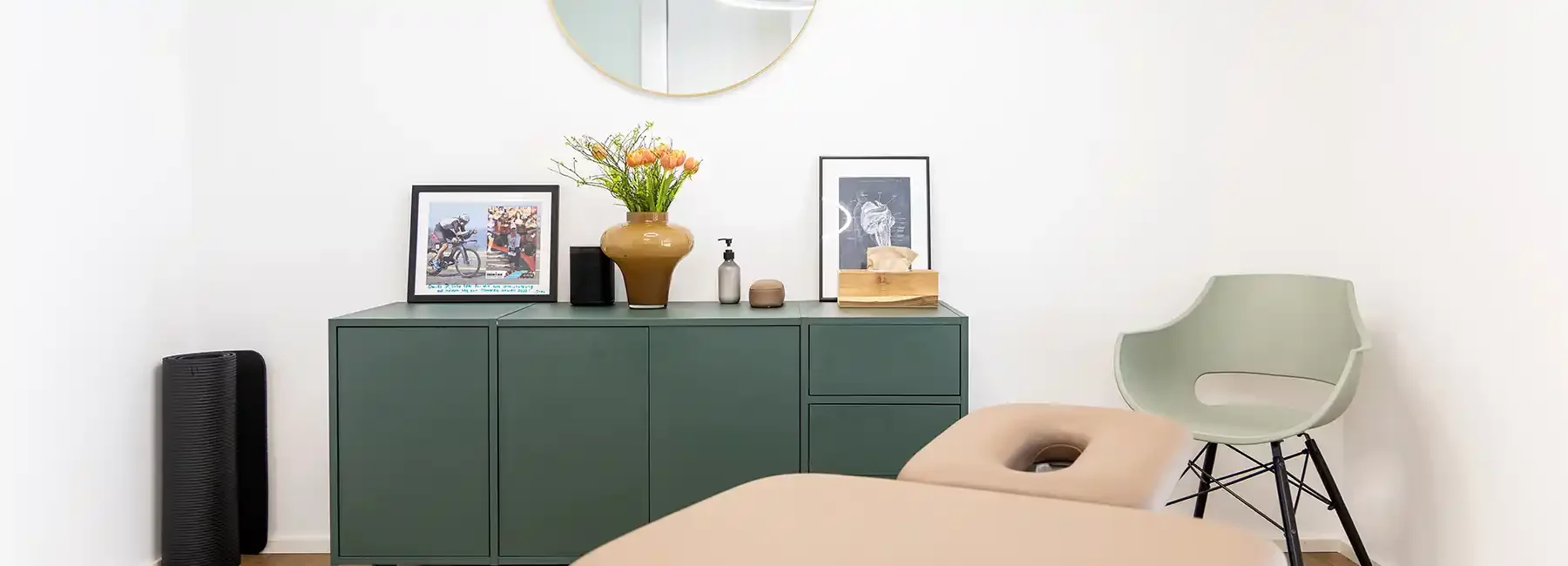
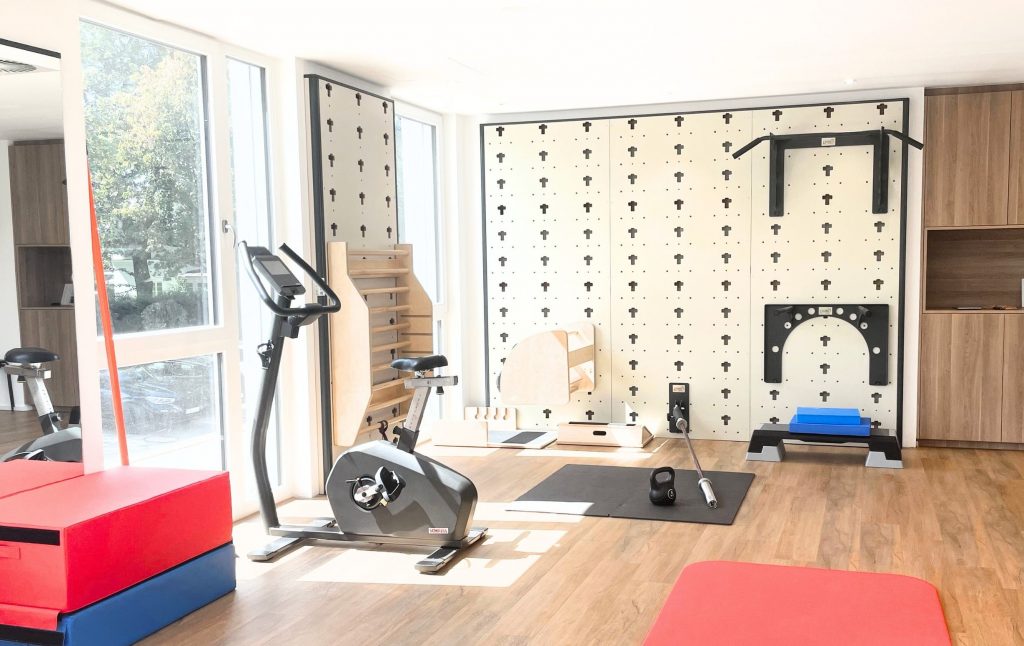
Our modern, well-equipped facilities create a pleasant atmosphere for effective and professional treatment.
's Professional Team
Our experienced team of qualified physical therapists provides high-quality care and is deeply committed to your health.
Our services
At ROC Physio, we offer a wide range of physical therapy services —from targeted treatment of acute and chronic musculoskeletal conditions to rehabilitative measures and preventive and functional therapy programs. Through personalized treatment plans, modern therapeutic approaches, and evidence-based methods, we effectively support our patients on their journey toward greater mobility, stability, and quality of life.
As a private physical therapy practice , we treat patients with private insurance and those who pay out of pocket. Unfortunately, we are unable to bill for services covered by public health insurance.
CMD (Cranio-Mandibular Dysfunction)
Cranio-mandibular dysfunction (CMD) refers to functional disorders affecting the interaction between the temporomandibular joints, masticatory muscles, teeth, and adjacent structures. Because these areas are closely connected to the head, neck, and shoulder regions, CMD can cause a wide range of symptoms.
Common symptoms include jaw and facial pain, headaches, earaches, or noises from the temporomandibular joint. Limited mouth opening, muscle tension, poor posture, and discomfort in the neck and shoulder area may also occur in connection with TMD.
Specialized physical therapy for CMD plays a key role in identifying functional disorders and treating them effectively over the long term.
Common causes of TMD:
- Misaligned teeth or bite problems
- Teeth grinding or nighttime clenching (bruxism)
- Mental or emotional stress
- Dental or oral surgery procedures (e.g., wisdom tooth extraction)
- Injuries to the jaw, head, or neck
- Overuse or dysfunction of the temporomandibular joints
Physical Therapy for TMJ Disorders
Treatment is tailored to each individual and, depending on the findings, may also be performed intraorally to mobilize the temporomandibular joint and provide targeted treatment for the masticatory muscles and the floor of the mouth. In addition, proven physical therapy techniques such as manual therapy, trigger point therapy, fascial techniques, and thermal applications are used.
The goal of CMD therapy is to reduce pain, improve mobility, and restore long-term functional balance in the jaw and postural system.
Fascia / Trigger Point Therapy
Myofascial trigger points are localized, painful areas of muscle tension that affect both the muscle and the surrounding fascial tissue. They are often tender to the touch and can trigger pain that radiates to other parts of the body. This so-called referred pain often makes it difficult to pinpoint the exact location of trigger points.
Myofascial trigger points are among the most common causes of persistent musculoskeletal pain. They can occur in nearly all muscle groups and are often associated with improper posture, overexertion, lack of exercise, or stress.
Physiotherapy Trigger Point Therapy
In trigger point therapy, the affected muscle and fascia areas are specifically targeted to relieve tension and improve blood circulation. Through manual techniques, fascial treatment methods, and individually tailored therapeutic interventions, pain can be reduced and mobility improved in the long term.
The goal of treatment is to correct muscular imbalances, provide long-term pain relief, and restore the natural function of the musculoskeletal system.
Physiotherapy
Physical therapy is a core form of physiotherapy and is used to treat conditions in nearly all medical specialties. The goal is to improve mobility, reduce pain, and sustain or restore physical function over the long term.
The treatment involves targeted active exercises designed to improve strength, endurance, coordination, and stability. These are supplemented by mobilization techniques that enhance flexibility, stimulate blood circulation and metabolism, and help relieve pain.
We place particular emphasis on active patient participation. Through personalized exercises and therapeutic guidance, we encourage patients to take an active role in their care and support long-term therapeutic success. We provide professional and comprehensive treatment in all basic forms of physical therapy.
Classic Massage Therapy
Classic massage therapy is a passive form of physical therapy in which the skin, muscles, and underlying connective tissue are targeted through mechanical manipulation. Stretching, traction, and pressure techniques are used to stimulate tissue structures and relieve muscle tension.
Therapeutic massages not only have a localized effect on the muscles but can also have a positive impact on the entire body—including on a psychological level. Depending on the findings, various techniques are used, such as kneading, stroking, circular movements, or vibrations.
The goal of traditional massage therapy is to improve blood circulation in the muscles, relieve tension, and provide long-term relief from pain and restricted movement. Common causes of these issues include poor posture, repetitive strain, or chronic overexertion in daily life or at work.
Manual lymphatic drainage
Manual lymphatic drainage (MLD) is a specialized physical therapy treatment designed to specifically promote lymphatic flow in the body. It is used in particular for lymphedema, post-surgical or post-traumatic swelling, and functional disorders of the lymphatic system.
The lymphatic system is a key component of the immune system and consists of lymphatic vessels, lymph nodes, and lymphatic organs. It plays a crucial role in removing excess tissue fluid, proteins, and waste products from the tissues, thereby helping to maintain the body’s natural balance.
Manual lymphatic drainage is performed by specially trained physical therapists. It is a passive treatment characterized by particularly gentle, rhythmic massage techniques. The goal of the treatment is to reduce swelling, relieve pressure on the tissues, and improve overall well-being.
Manual therapy
Manual therapy aims to improve the functional interaction between muscles, joints, and nervous structures. By specifically addressing muscular and joint-related imbalances, movement patterns can be optimized and the natural balance of the musculoskeletal system restored.
Using specific manual therapy techniques, both acute and chronic pain as well as restricted mobility can be effectively alleviated. The treatment is tailored to each individual’s specific condition, taking into account breathing, muscle tension, and physical capacity.
Manual Therapy Techniques
- Joint mobilization: Gentle, rhythmic movements coordinated with breathing and muscle tension
- Manipulation: Short, targeted impulses applied with greater force
- Soft tissue techniques: Specific manual techniques used to treat muscles, tendons, and ligaments with the aim of relieving tension and improving tissue elasticity
- Neurodynamic techniques: Methods for improving the mobility and function of nerve structures
The goal of manual therapy is to relieve pain, improve mobility, and enhance long-term functional ability.
Medical training therapy
Medical Training Therapy (MTT) is a specialized form of physical therapy that focuses on targeted, individually tailored exercises. It is often used as a supplement to traditional physical therapy and is particularly suitable for patients who want to compensate for a lack of exercise and improve their physical performance in the long term.
Based on a physical therapy assessment, our therapists create a personalized training plan tailored to your individual goals, physical condition, and the demands of daily life. This enables functional and effective training that is specifically tailored to your needs.
Goals of Medical Exercise Therapy
- Targeted strengthening of individual and larger muscle groups
- Improving coordination and balance
- Improved mobility and functional performance
The goal of MTT is to increase physical endurance, prevent discomfort, and promote active, independent movement in daily life over the long term.
Sports Physical Therapy
Sports physical therapy combines insights from sports medicine, exercise science, biomechanics, and psychology to tailor treatment specifically to the unique demands of each sport. The goal is to optimize movement patterns, increase resilience, and sustainably enhance athletic performance.
Our physical therapists provide expert guidance on preventing sports injuries, targeted competition preparation, and rehabilitation following injuries or surgical procedures. We also offer personalized support for safely resuming athletic activities or starting a new exercise regimen.
Based on a detailed assessment of your medical history, we will work with you to develop a personalized training plan with realistic and clearly defined goals—tailored to your fitness level, athletic goals, and daily routine.
Heat therapy
Heat therapy is one of the most proven medical treatment methods and is used to relax muscles, improve blood circulation, and relieve pain. The targeted application of heat can reduce muscle tension and support regenerative processes in the tissue.
Our practice uses high-quality natural products such as fango. These heat treatments are typically used as a complementary measure following physical therapy and help to sustain the therapeutic effects over the long term.
The goal of heat therapy is to improve well-being, relax the muscles, and effectively complement physical therapy.
Are you looking for a specific type of massage?
Fitness classes to improve flexibility

We offer specialized exercise classes in our group room—to help you build strength and flexibility and improve your body awareness in everyday life.
Current class schedule:
Tuesdays, 4–5 p.m.: Back Fitness
Thursdays, 11 a.m.–12 p.m.: Fit for Everyday Life
Thursdays, 12–1 p.m.: Knee Plus
Course Information
Registration
Costs
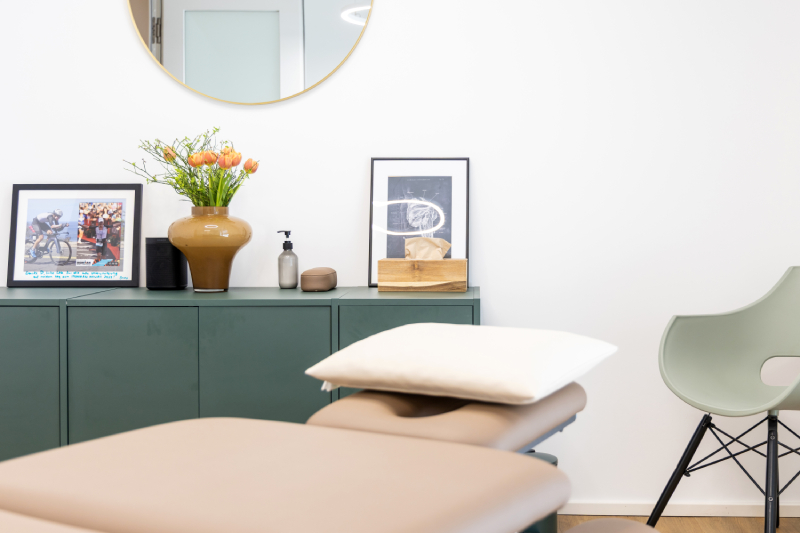
Our Facilities

Our team
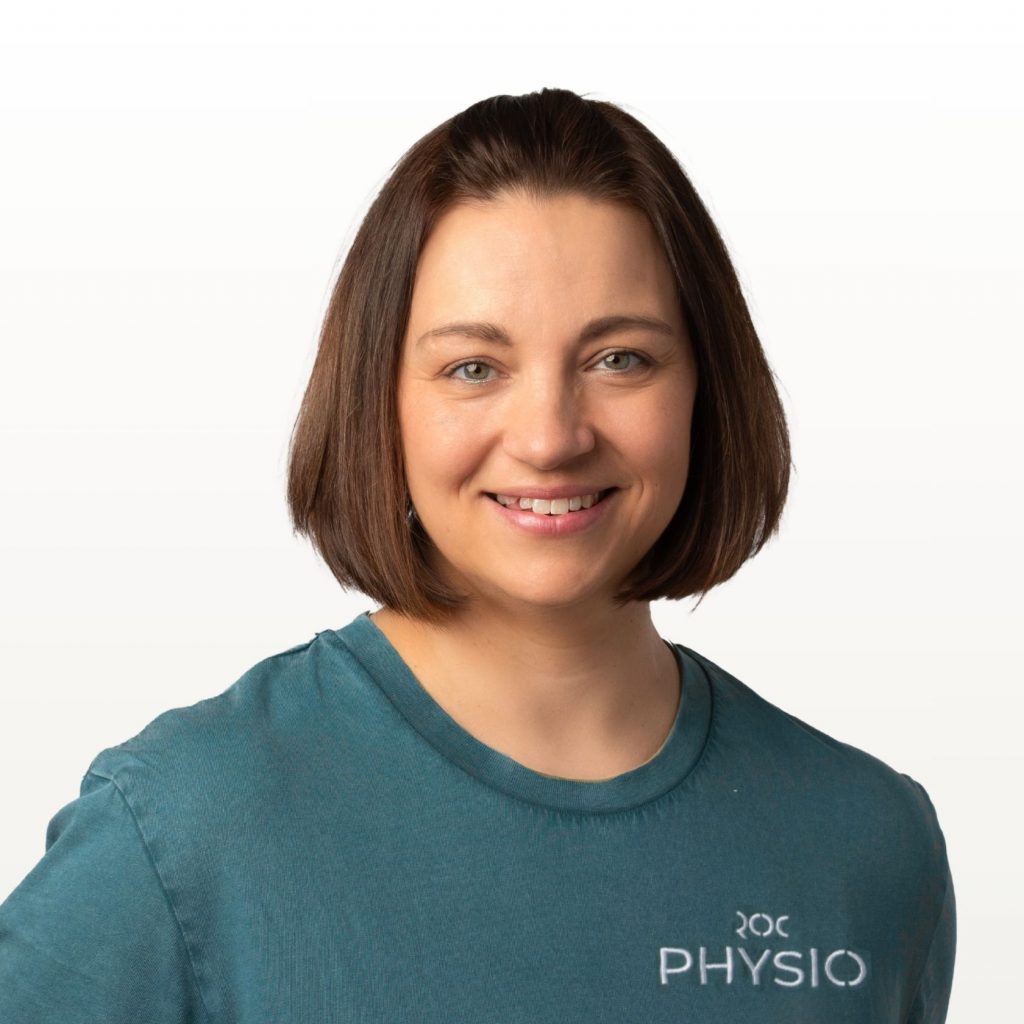
Stefanie Schönfeld
Lead Physical Therapist
Career
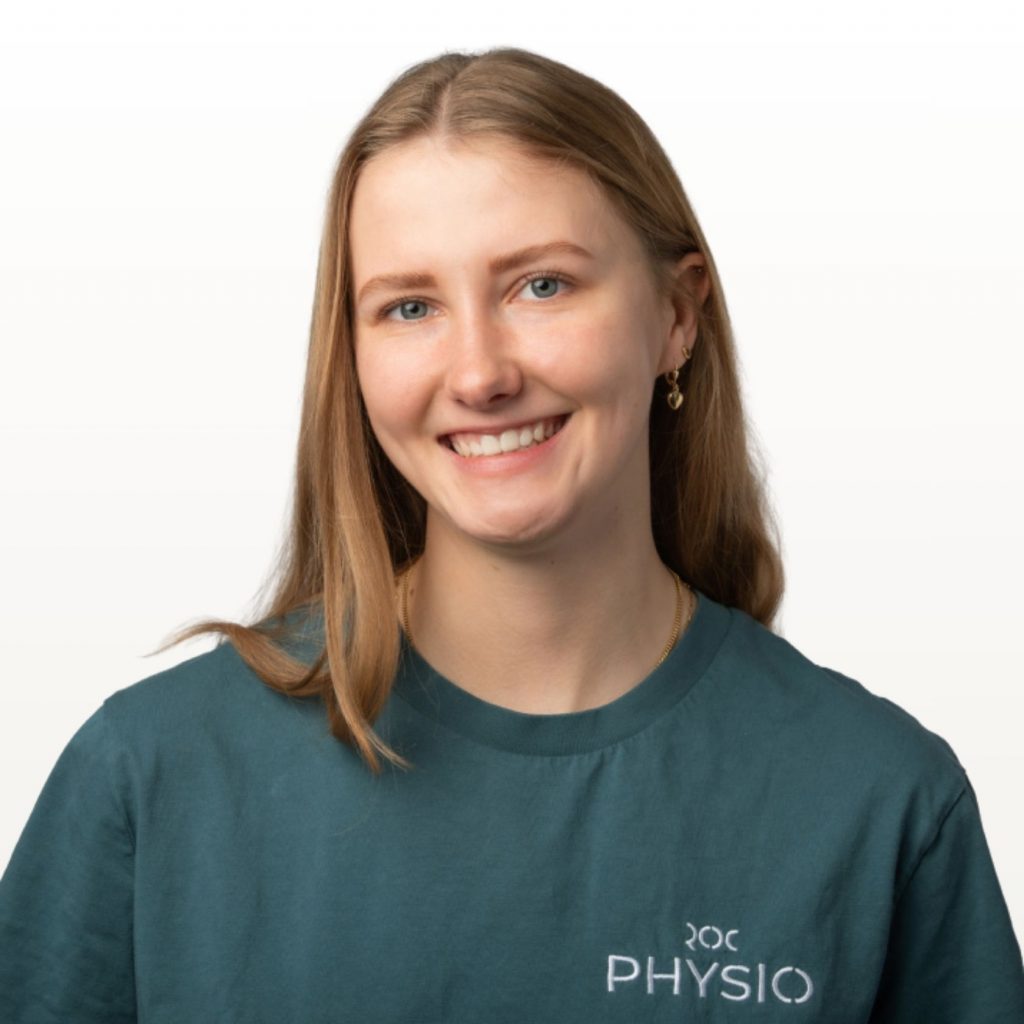
Lucia Jacobs
Physical Therapist
Career
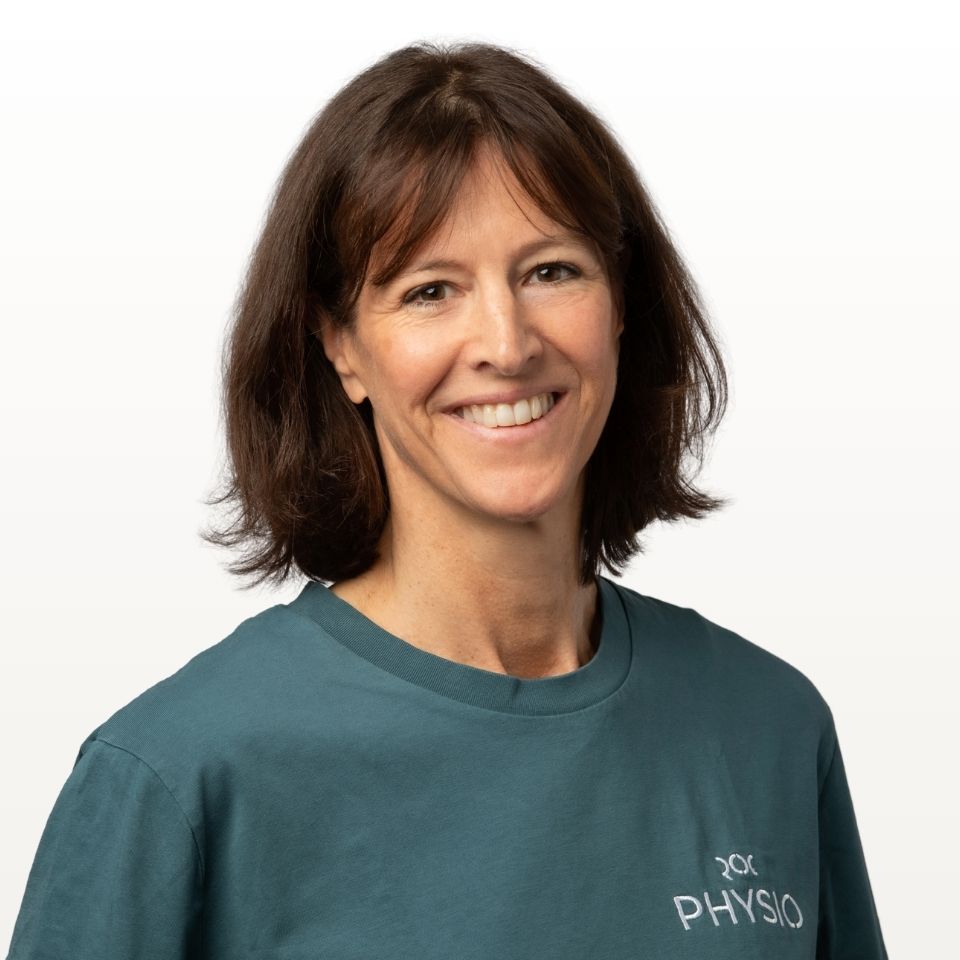
Annette Carl
Physical Therapist
Career
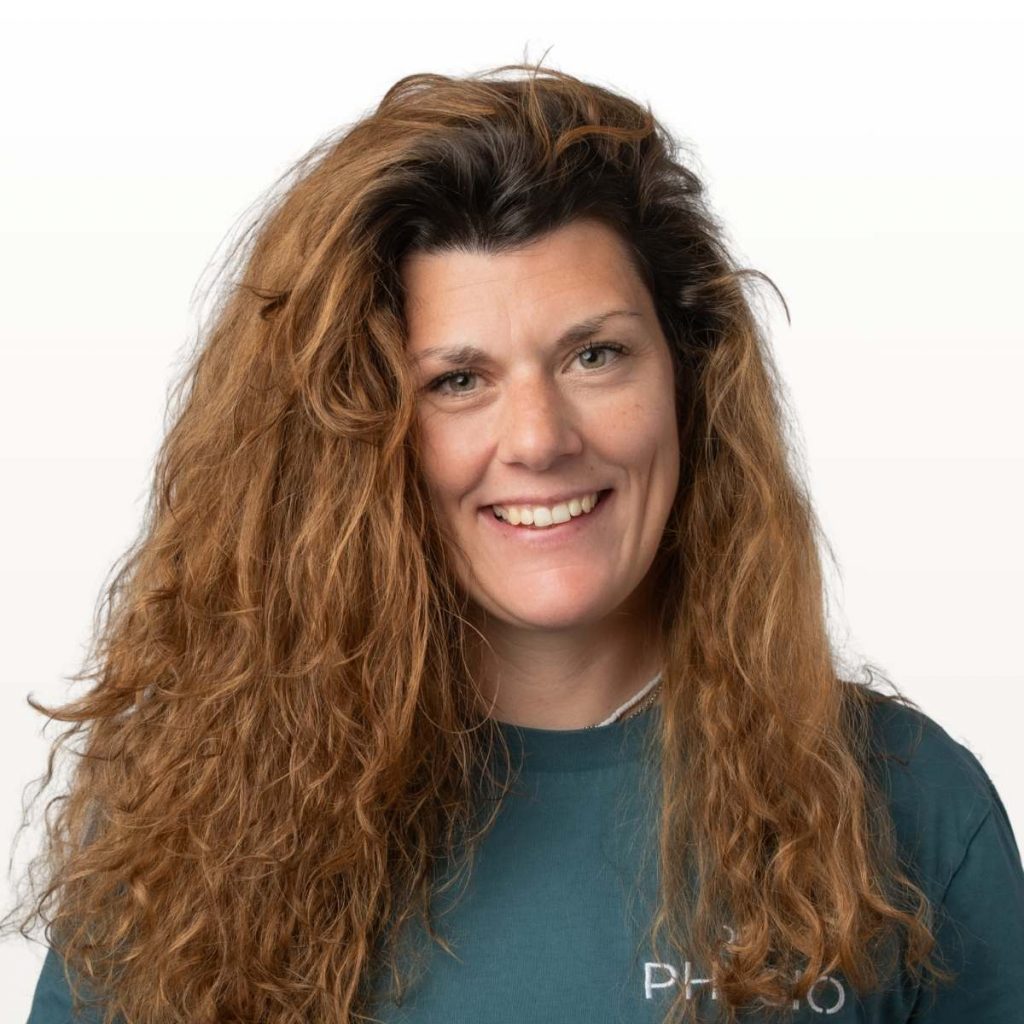
Melanie Seiler
Reception & Coordination
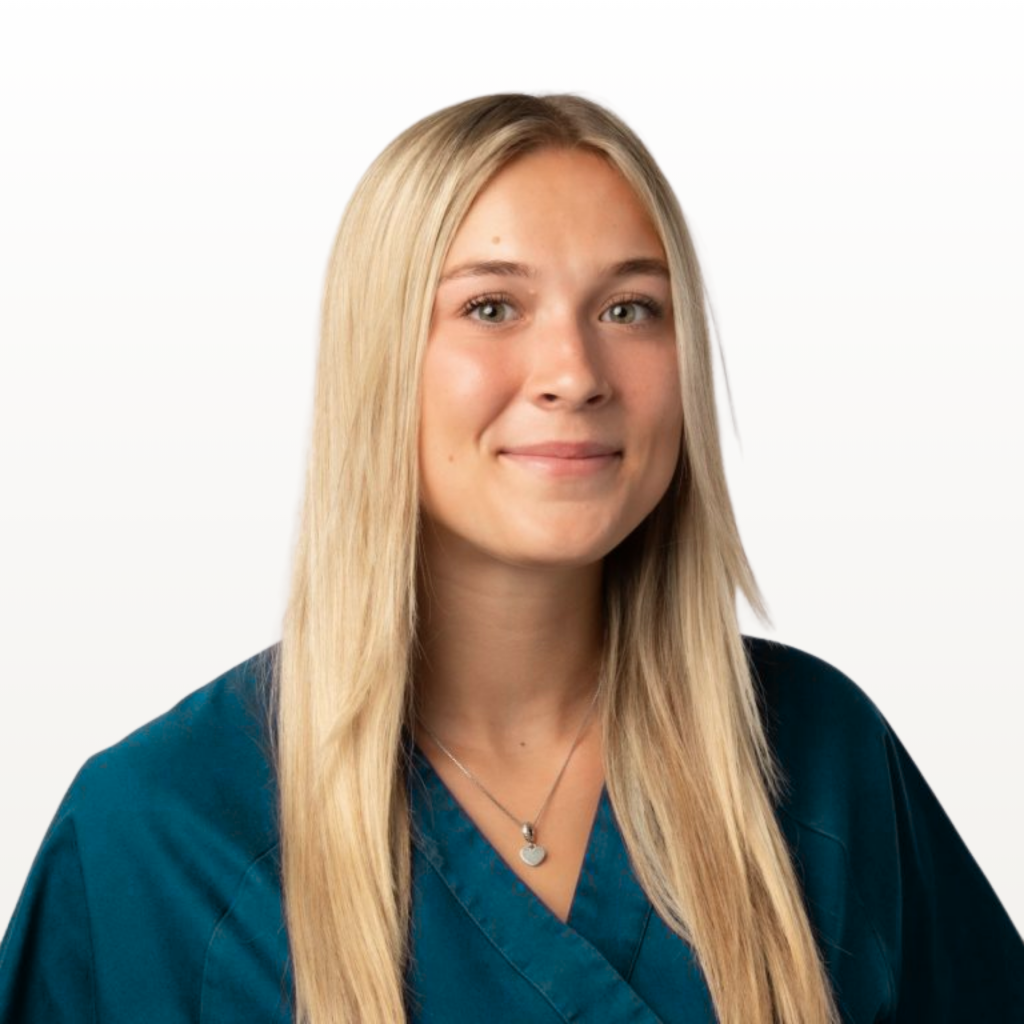
Tamina Sengersdorf
Sports & Exercise Therapy
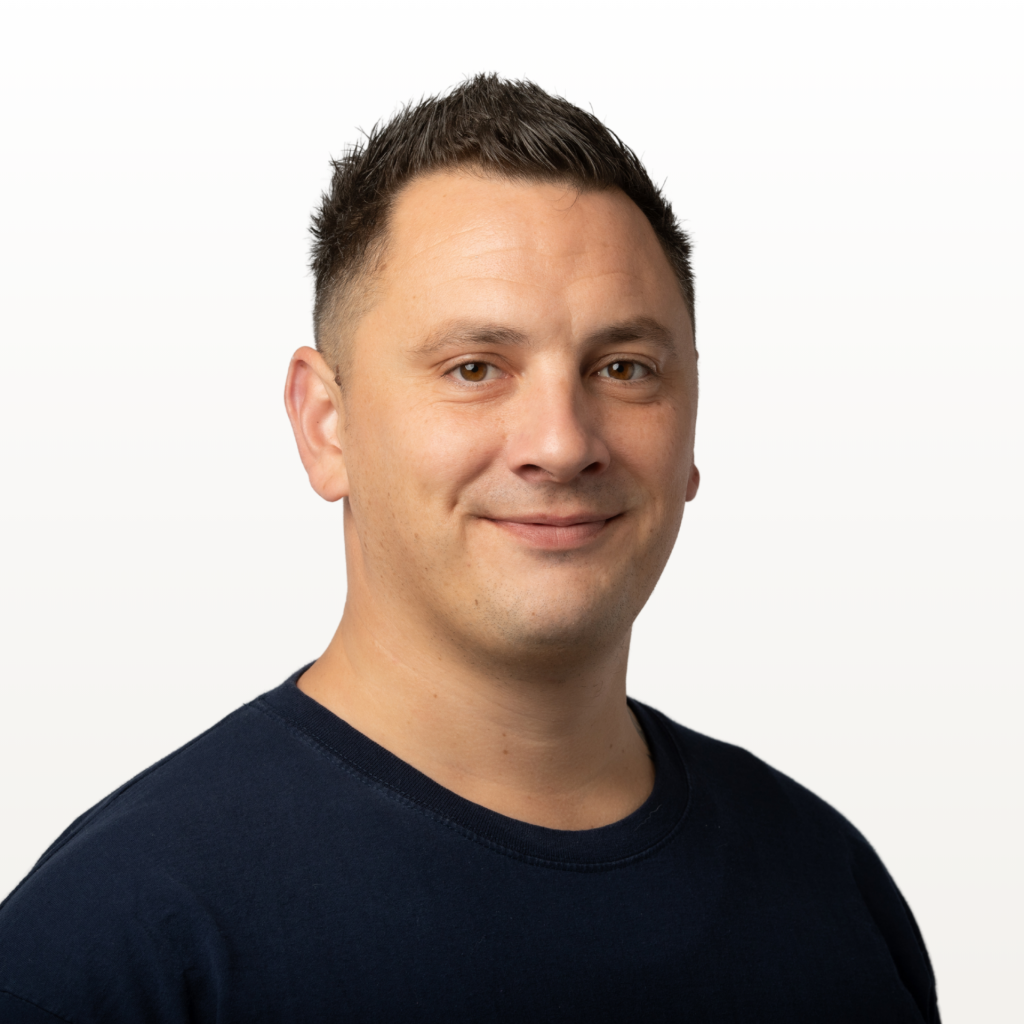
Sebastian Rösler
Massage Therapist & Medical Spa Therapist
(self-employed)

Contact us
ROC Physio
5 St.-Emmeram-Str. (1st floor)
85609 Aschheim
| praxis@roc-physio.de | |
| Telephone | +49 89 462599340 |
Opening hours
| Monday | 7:00 a.m. – 6:00 p.m. |
| Tuesday | 8:00 a.m. – 7:00 p.m. |
| Wednesday | 8:00 a.m. – 7:00 p.m. |
| Thursday | 7:30 a.m. – 7:00 p.m. |
| Friday | 7:00 a.m. – 3:00 p.m. |
Approach
You can find us at St.-Emmeram-Str. 5 (1st floor) in 85609 Aschheim and you can easily reach us by car or public transportation.
You will find plenty of parking spaces in our coveredparking garage (access via Feldkirchner Straße 14, 85609 Aschheim) or in the open-air lot across from our entrance on St.-Emmeram-Straße.
Public transportation:
Subway:Take the U2 to Messestadt West, then transfer to bus 263and get off at the Siedlung Tassilostr. stop .
S-Bahn:Take the S2 to Riem, then take bus 263to the Siedlung Tassilostraße stop , or take the S2 to Feldkirchen and then bus 230to the Aschheim Sportpark stop.
Show larger map
We look forward to your visit!
Our Latest Guides
- ROC Physio in Aschheim: Greater mobility and less pain through modern physical therapy
 ROC Physio is expanding the range of therapies offered at the Regenerative Center (ROC) in Aschheim and setting new standards in holistic …
» Read more