Hyaluronic Acid Therapy for Osteoarthritis and Cartilage Damage
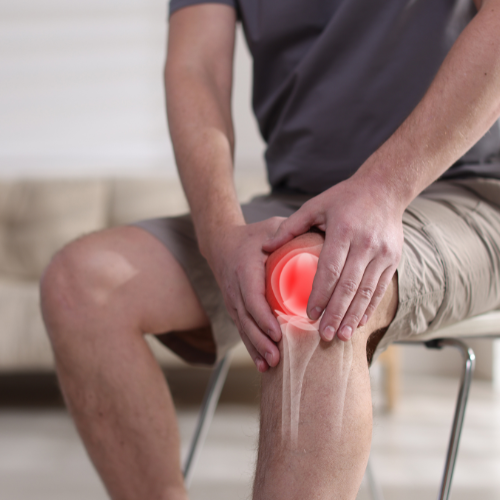
In a healthy joint, everything runs like clockwork. One of the factors responsible for this is the hyaluronic acid in the synovial fluid. It acts as a natural lubricant and helps absorb shocks.
When cartilage is damaged or osteoarthritis begins to develop, the joint surfaces often no longer glide over each other as smoothly. The joint may feel stiff, dry, or painful, especially when walking, climbing stairs, standing up, or after physical activity. In cases of cartilage damage and osteoarthritis, hyaluronic acid can also be injected externally as a hyaluronic acid injection for joints. We inject hyaluronic acid directly into the joint space, thereby replenishing the synovial fluid from the outside.
At the ROC in Aschheim near Munich, we assess before every treatment whether this therapy is appropriate for your condition. The most common areas of concern are the knee, shoulder, hip, or ankle. The key factors are not only the affected joint, but also the severity of osteoarthritis, inflammation, the physical demands of daily life, and your personal goals.

Outpatient Treatment
Hyaluronic acid is injected directly into the affected joint on an outpatient basis under sterile conditions.

Individualized Treatment Planning
The joint, the severity of osteoarthritis, any inflammation, and the strain placed on the joint in your daily life are all factors considered when deciding on a treatment plan.

For various joints
Depending on the findings, hyaluronic acid therapy may be an option for the knee, shoulder, hip, and ankle, among other joints.
What is hyaluronic acid?
In a healthy joint, the cartilage ensures that the joint surfaces glide smoothly against one another with minimal friction and that shocks are effectively absorbed. The key component in synovial fluid is hyaluronic acid. Synovial fluid is known medically as synovia and spreads like a thin protective layer between the joint surfaces.
When cartilage damage or osteoarthritis occurs, this system changes. The fluid can become thinner and lose its cushioning effect. Movements then become more difficult, and the joint reacts more quickly with pain or irritation.
What is hyaluronic acid therapy for joints?
The treatment of cartilage damage and osteoarthritis through viscosupplementation involves replenishing the hyaluronic acid missing from the joint with an external source. Hyaluronic acid is a substance produced naturally by the body that is injected directly into the joint space during this therapy. The goal is to improve the viscosity and elasticity of the synovial fluid and thereby support the joint’s ability to glide smoothly. Symptoms and limitations in movement may improve depending on the findings; however, the treatment cannot restore cartilage that has been completely destroyed.
For which joints is this treatment an option?
The knee is the most common site, because knee osteoarthritis quickly becomes noticeable when walking, climbing stairs, or playing sports. Depending on the findings, the shoulder, hip, and ankle can also be treated. For the hip or joints that are difficult to access, we carefully assess whether an image-guided injection is appropriate.
| Joint | Common Symptoms | Goal of Treatment |
|---|---|---|
| Knee | Pain upon starting to walk, pain during physical activity, pain when climbing stairs | Reduce friction, improve mobility in everyday life |
| Shoulder | Pain when lifting, lying down, or turning | Soothe irritation, support range of motion |
| Hip | Groin pain, pain on exertion, limited rotation | Reduce Strain on Joints, Make Everyday Movements Easier |
| Ankle joint | Pain Following an Injury or Overuse | Support lubricity, test load-bearing capacity |
A hyaluronic acid injection for joints is particularly suitable for early- to moderate-stage osteoarthritis or cartilage damage, when conservative treatments alone are not sufficient. In cases of severely inflamed joints, advanced deformities, or near-total loss of cartilage, we’ll have a realistic discussion about which alternatives make more sense.
Benefits of Hyaluronic Acid Therapy for Osteoarthritis
- Targeted treatment: Hyaluronic acid is injected directly into the affected joint.
- Support for Joint Function: The goal is to support the properties of synovial fluid and, thereby, the joint’s ability to glide smoothly.
- Outpatient procedure: The injection is administered without an inpatient stay.
- Individualized Decision: Treatment is planned based on the joint, test results, the severity of osteoarthritis, and symptoms.
- Part of a conservative treatment plan: If necessary, the treatment can be combined with additional orthopedic measures.
The Hyaluronic Acid Treatment Process
Treatment begins with an orthopedic examination. We determine where the pain is coming from, how long you’ve been experiencing symptoms, and which movements are limited. Depending on the situation, we use ultrasound, X-rays, or open MRI at the ROC to more closely evaluate the cartilage, joint space, tendons, menisci, or associated inflammation.
Only then will we decide together whether a hyaluronic acid injection is appropriate. The injection is administered on an outpatient basis, under sterile conditions, and directly into or near the affected joint. Depending on the medication and your symptoms, a single injection may be sufficient; however, multiple sessions spaced a few days to weeks apart are often scheduled.
After the treatment, you should rest the joint for a short time and avoid strenuous activity at first. Normal daily activities are usually possible. We will provide you with specific instructions on what to watch for after the injection and when a follow-up visit is recommended.
Effects and Limitations of Hyaluronic Acid Therapy
Hyaluronic acid therapy can improve joint lubrication. Many patients hope for less pain, greater mobility, and an easier daily life. However, the effects are not always immediate. They often develop over a period of days to weeks and vary depending on the joint, the severity of osteoarthritis, and the level of physical activity.
It is important to manage expectations honestly. The treatment can alleviate symptoms and support a course of therapy that does not involve immediate surgery. However, it is no substitute for a clear diagnosis, physical therapy, or adjustments to weight or physical activity levels if these are medically necessary.
Risks and Side Effects
A joint injection is a minor procedure and must be performed under sterile conditions. You may experience temporary pressure, redness, swelling, or pain at the injection site. In very rare cases, more severe reactions or a joint infection may occur. That is why we work under sterile conditions and explain the risks, alternatives, and limitations to you in advance.
Timing is also important. In cases of acute infection, a severely irritated joint, or unclear symptoms, a different treatment may be more appropriate at first. We therefore always review the full set of findings and recommend hyaluronic acid injections for joints only if the benefits are clear in your specific situation.
Cost of Hyaluronic Acid Therapy
The cost depends on the joint, the medication, and the scope of treatment. Public health insurance plans often do not cover hyaluronic acid injections for osteoarthritis, or only do so in special cases. Those with private insurance should check with their insurer in advance to confirm coverage. At ROC, we discuss costs and possible treatment series with you transparently before beginning treatment.
Hyaluronic Acid Treatment in Aschheim, Near Munich
The ROC is a private practice specializing in regenerative orthopedics in Aschheim, near Munich. Our practice is easily accessible, particularly for patients from Aschheim, Munich, Kirchheim, Feldkirchen, Dornach, Riem, Trudering, and the eastern part of Munich. We frequently consult with people suffering from knee osteoarthritis, shoulder pain, or hip osteoarthritis who want to know whether a hyaluronic acid injection for the knee, shoulder, or hip could be a sensible conservative treatment option.
Short pathways between diagnosis, consultation, and treatment help us assess symptoms in a structured manner. If necessary, we combine hyaluronic acid treatment with other measures such as physical therapy at the ROC, injection therapies, autologous blood therapy (PRP), or a stepwise approach to osteoarthritis treatment.
If you'd like to know whether this treatment is right for you for knee, shoulder, or hip pain, please schedule a consultation at our practice. We'll take the time to understand your symptoms and work with you to develop a treatment plan that's right for you.
Your benefits at the ROC in Aschheim

Orthopedic Diagnostics
Examination and, depending on the findings, additional diagnostic tests to inform the decision on treatment.

Personalized consultation
Treatment depends on your joint, your symptoms, and the diagnostic findings.

Regenerative Orthopedics
When indicated, hyaluronic acid can be incorporated into a more comprehensive conservative treatment plan.

Short distances
Diagnostics, medical consultations, and treatment can be seamlessly integrated at the Aschheim location.
Our experienced team of doctors

Dr. med. Daniel Filesch
Specialist in orthopaedics and trauma surgery

Martina Berger
Doctor for regenerative orthopaedic procedures

Dr. med. Edan Manos
Doctor for regenerative orthopaedic procedures

Patrick Heine
Specialist in orthopaedics and trauma surgery
Modern medical offices in Aschheim, near Munich



Frequently Asked Questions About Hyaluronic Acid Therapy for Osteoarthritis
How often do I need a hyaluronic acid injection for my joints?
How quickly does the injection work for osteoarthritis?
How long do the effects of a hyaluronic acid injection last?
Does the injection into the joint hurt?
How much does a hyaluronic acid injection cost for osteoarthritis?
Does health insurance cover the costs?
Can hyaluronic acid also be used for shoulder or hip osteoarthritis?
Can hyaluronic acid rebuild cartilage?
Does the ROC offer hyaluronic acid injections for the knees, shoulders, and hips in Aschheim near Munich?
Would you like to find out if hyaluronic acid therapy is an option for your joint pain? Schedule a consultation at the ROC in Aschheim near Munich.
ROC Ortho
Private Orthopedic Practice
St.-Emmeram-Str. 5
85609 Aschheim
Email: praxis@roc-ortho.de
Phone: +49 89 46259930
Opening hours
| Monday | 7:30 a.m. – 6:00 p.m. |
| Tuesday | 7:30 a.m. – 6:00 p.m. |
| Wednesday | 7:30 a.m. – 8:00 p.m. |
| Thursday | 7:30 a.m. – 6:00 p.m. |
| Friday | 7:30 a.m. – 3:00 p.m. |