Guide | August 13, 2026
Allergy Testing in Aschheim near Munich – Prick Test, Patch Test, and Allergy Diagnostics at the ROC
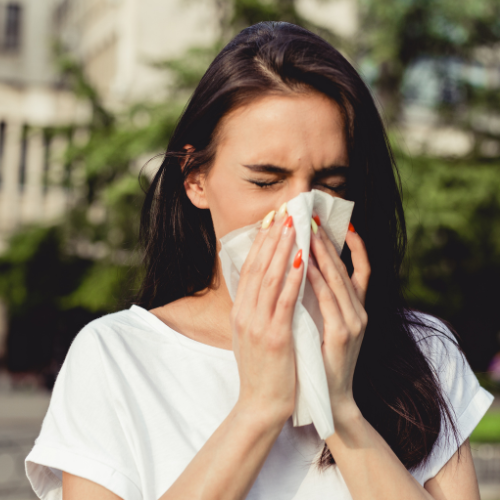
An allergy test in Aschheim, near Munich, can provide clarity when the skin, respiratory tract, or gastrointestinal tract repeatedly react to triggers that are actually harmless.
At ROC Derma in Aschheim, we combine an allergy history, skin testing procedures, and laboratory diagnostics to provide a diagnosis that is easy for you to understand. Our goal is not to test based on suspicion, but to medically classify your symptoms: Is it an allergy, an intolerance, or an irritated skin barrier?

Prick Test for Immediate Reactions:
Suitable for symptoms caused by pollen, dust mites, pet dander, or food
Epicutaneous test (patch test):
Helps when contact allergies caused by cosmetics, fragrances, metals, occupational substances, or personal care products are suspected
Allergy Blood Testing:
complements the skin test when medications, skin conditions, or symptoms make a laboratory analysis advisable
Dermatological classification:
At ROC Derma, we provide specialized dermatological evaluation of skin rashes, itching, and eczema

Easily accessible from Munich and the surrounding area:
The allergy test in Aschheim, near Munich, is suitable for patients from East Munich, Aschheim, Ismaning, Kirchheim, Freising, Feldkirchen, and the surrounding area
Focus on the Skin, Immune System, and Microbiome:
ROC Derma takes several factors into account when allergy symptoms recur
Allergy Testing in Aschheim: When Symptoms Finally Need a Name
Many patients come in with a long list of symptoms: itchy eyes in the spring, a burning sensation on the skin after using new cosmetics, hives after eating, coughing indoors, rashes from jewelry, or reactions to substances encountered at work. That’s why the diagnostic process at our practice in Aschheim begins with a structured medical history. We ask about the timing, location, triggers, medications, skin care, occupation, hobbies, and family history.
This preliminary work helps prevent false positives. A positive skin test merely indicates sensitization. Only your symptoms and the doctor’s evaluation can determine whether there is actually a relevant allergy underlying the issue. This is where the distinction lies between mere data collection and true diagnosis.
Prick Test and Patch Test: Two Methods, Two Questions
The prick test is suitable for immediate-type allergies—that is, reactions that occur immediately after contact with an allergen. Typical examples include hay fever, allergic conjunctivitis, dust mite allergy, reactions to animal dander, or symptoms following an insect sting. The test substances are applied to the skin, usually on the forearm. After a short waiting period, the doctor assesses any redness or wheals that have formed.
The patch test, medically known as an epicutaneous test, screens for contact allergies. The reaction appears delayed, often in response to nickel, fragrances, preservatives, hair dyes, acrylates, rubber components, or occupational contact allergens. Test patches remain on the skin for a specified period of time. In practice, this means two to three follow-up appointments on consecutive days, so that even mild contact allergies—which are often overlooked in daily life but cause significant symptoms—can be detected. We select the test method based on the type of symptoms, skin condition, and the specific clinical question at hand.
Which testing methods are appropriate for which symptoms
Allergic conditions often resemble other disorders. Eczema is not necessarily caused by a contact allergy. Recurring abdominal symptoms do not automatically indicate a food allergy. A runny nose can be caused by an allergy, an infection, hormonal factors, or irritation. That is why we determine which testing method makes the most medical sense.
| Symptoms | Possible Tests | Possible cause |
|---|---|---|
| Sneezing, runny nose, itchy eyes | Skin Prick Test, IgE Laboratory | Suspected allergy to pollen, dust mites, animal dander, or mold |
| Eczema caused by cosmetics, jewelry, or gloves | Patch Test / Epicutaneous Test | Suspected allergy to nickel, fragrances, preservatives, or acrylates |
| Symptoms After Eating Certain Foods | Medical history, IgE testing, targeted skin testing | Diagnosis of food allergies, cross-allergies, or non-allergic intolerances |
| Skin Reactions to Medications | Risk assessment by a specialist, laboratory tests, specialized testing | Suspected Drug Allergy or Side Effect |
If you also notice skin changes such as rough, flaky areas or changes in pigmentation, the ROC Derma team will evaluate these findings from a dermatological perspective. For more information on pigmentation changes, see the article on age spots and removing pigmentation spots.
What to Expect During Your Appointment in Aschheim
Your appointment in Aschheim begins with a consultation with the doctor. Please bring any existing medical reports, a list of medications, photos of skin reactions, and the names of any products you suspect may be causing the reaction. Photos are extremely helpful when it comes to skin rashes. Often, the reaction has already subsided by the time of the appointment.
- Medical History: You describe your symptoms, possible triggers, the course of your condition, and previous treatments.
- Test Selection: We'll decide together whether a prick test, patch test, lab test, or a combination of these is the best option.
- Procedure: Skin testing under medical supervision.
- Analysis: Findings, Relevance, and How This Relates to Your Daily Life.
- Planning: We discuss allergen avoidance, appropriate skin care, possible treatments, or a referral for specialized issues.
After your testing in Aschheim, you won’t receive a confusing list of results, but rather a clear medical summary: Which allergens are significant, which are likely incidental findings, what role do the skin barrier, the immune system, and lifestyle play—and what next steps do we recommend for you.
Please do not stop taking any medications on your own. Antihistamines, corticosteroids, or certain skin care products can affect certain test procedures. We will let you know before your appointment which medications you may need to stop taking.
What Happens After the Diagnosis
The evaluation does not provide a standard treatment plan. After reviewing the results, we’ll discuss which steps make sense for you. For contact allergies, we’ll work with you to create a detailed list of allergens and review your products. For pollen allergies, options include allergen avoidance, symptomatic medications, and, if necessary, specific immunotherapy. For skin barrier disorders, the focus is on developing a skincare plan.
Allergology at the ROC: Looking Beyond Skin Tests
ROC Derma and ROC Vital view allergy diagnostics as part of prevention. Recurrent inflammation, stress, sleep, gut health, and nutritional status can influence the burden of symptoms. Depending on the findings, we assess whether additional diagnostic tests would be medically beneficial: for example, a microbiome analysis if we suspect that gut flora plays a role, a metabolic analysis, or VNS analysis if the autonomic nervous system might be involved.
The structure comprising ROC Ortho, ROC Derma, and ROC Vital means that, if necessary, other medical specialties can be easily integrated—for example, if allergies exacerbate joint pain, skin conditions worsen, or affect your overall performance level.
Costs: Private, out-of-pocket, and health insurance
Many patients ask how much an allergy test costs and whether their health insurance covers it. The answer depends on your insurance coverage, the reason for the test, and the scope of the test. Public health insurance plans generally cover allergy testing when it is medically necessary and billed appropriately through in-network physicians. Different procedures apply in private practices and for services paid for out-of-pocket.
ROC Derma is intended for patients with private insurance and those paying out of pocket. The cost of the allergy test is covered by private insurance. For patients paying out of pocket, the cost is €249. Before your appointment, you will receive a clear overview of the estimated costs for the examination, laboratory tests, and any follow-up appointments. If you have any questions about specific items, our team will be happy to assist you.
| Performance | What Factors Affect the Cost? | Note |
|---|---|---|
| Medical History of Allergies | Duration, Symptoms, Previous Findings | The foundation of any reliable allergy diagnosis |
| Prick Test | Number of allergens, scope of testing, evaluation | Suitable for immediate-type allergies |
| Patch Test | Test series, reading dates, documentation | Suitable for contact allergies |
| Laboratory analysis | Individual allergens, panels, special parameters | Useful for certain types of questions |
Dermatologists with specialized experience in allergology

Dr. dr. med. Orsolya Horváth
Specialist in dermatology
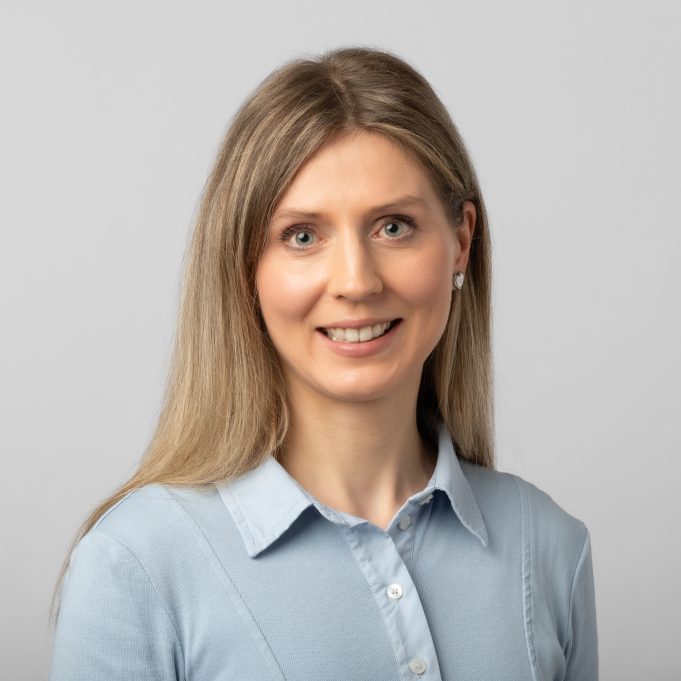
Natalie Evenschor, M.D.
Specialist in dermatology
Depending on the symptoms, allergy tests are performed by dermatologists, ENT specialists, pulmonologists, pediatricians, and specialists in allergy medicine. For eczema, itching, and suspected contact allergies, dermatology is often the appropriate specialty. For a runny nose, itchy eyes, or respiratory symptoms, ENT and pulmonology are the specialties to consider.
At the ROC, you benefit from the medical environment of the Regenerative Center. The ROC in Aschheim has evolved from a practice specializing in orthopedics into an interdisciplinary center comprising ROC Ortho, ROC Derma, and ROC Vital. The ROC team brings together diverse professional perspectives. For patients in the Munich area, the allergy testing facility in Aschheim near Munich offers an easily accessible alternative to downtown, with a predictable commute and a quieter practice environment.
Patch Test for Contact Allergy: When the Skin Reacts Delayedly
Contact allergies can be tricky. The skin reacts hours or even days after exposure. The shampoo ends up on the bathroom shelf. The reaction is caused by the hair dye. The hand cream is under suspicion. The trigger is in the gloves. A patch test helps uncover these connections.
For the test series, we’re interested in the details of your daily life: What cosmetics do you use? Do you wear gloves at work? Do you work with disinfectants, adhesives, resins, oils, paints, or metals? Have you used any new clothing, jewelry, nail products, or personal care products? These questions determine the selection of the test series.
Bring any suspicious products with you to your appointment or take photos of the ingredient lists. Safety data sheets can be helpful if you have work-related concerns. This way, you’ll get test results that truly help you in your daily life—for example, when choosing cosmetics, work gloves, or jewelry.
Frequently Asked Questions About Allergy Testing in Aschheim, Near Munich
How long does the test take?
Which doctor is in charge?
Is an examination by my primary care physician sufficient?
Does health insurance cover the costs?
Is a blood test enough to diagnose a food allergy?
What is the difference between a prick test and a patch test?
How do I prepare for the appointment?
Are there any risks or side effects?
How can I get an overview of the costs as a private patient or self-paying patient?
Schedule your allergy test in Munich-Aschheim
If you’re finally ready to get to the bottom of your symptoms and are looking for an allergy test near Munich, schedule an appointment at ROC Derma in Aschheim. The location is convenient for patients from Munich, Freising, Ismaning, Kirchheim, Feldkirchen, and the entire eastern part of Munich. This way, you can avoid long trips into the city center while still receiving specialized allergy testing.
You can find all the information about the route under " Directions to the ROC in Aschheim." For more information about our preventive approach, visit the " ROC Vital in Aschheim" page. To request an appointment, please use the contact form or call our team directly.
| Monday | 9:00 a.m.–2:00 p.m. & 3:00 p.m.–6:00 p.m. |
| Tuesday | 8:30 a.m.–5:00 p.m. |
| Wednesday | 8:30 a.m.–2:00 p.m. |
| Thursday | 9:00 a.m.–1:00 p.m. |
| Friday | 9:00 a.m.–1:00 p.m. |